
Mental health guide
How to Improve Mental Health: Practical Habits You Can Start Today
Learn how sleep, movement, connection, nourishing routines, and stress care can support mental wellbeing—and when to reach out for professional help.
Share this article
Some days your mind feels heavy, and you can't quite say why. You feel tired, tense, or a little flat, and you start wondering what could actually help. If you're asking how to improve mental health without turning your whole life upside down, you're in the right place.
The good news is that small, steady habits make a real difference. In this guide, you'll learn what mental health means, which daily routines can support it, and how to tell when it may be time to talk to a professional. Take what fits your life and leave the rest.
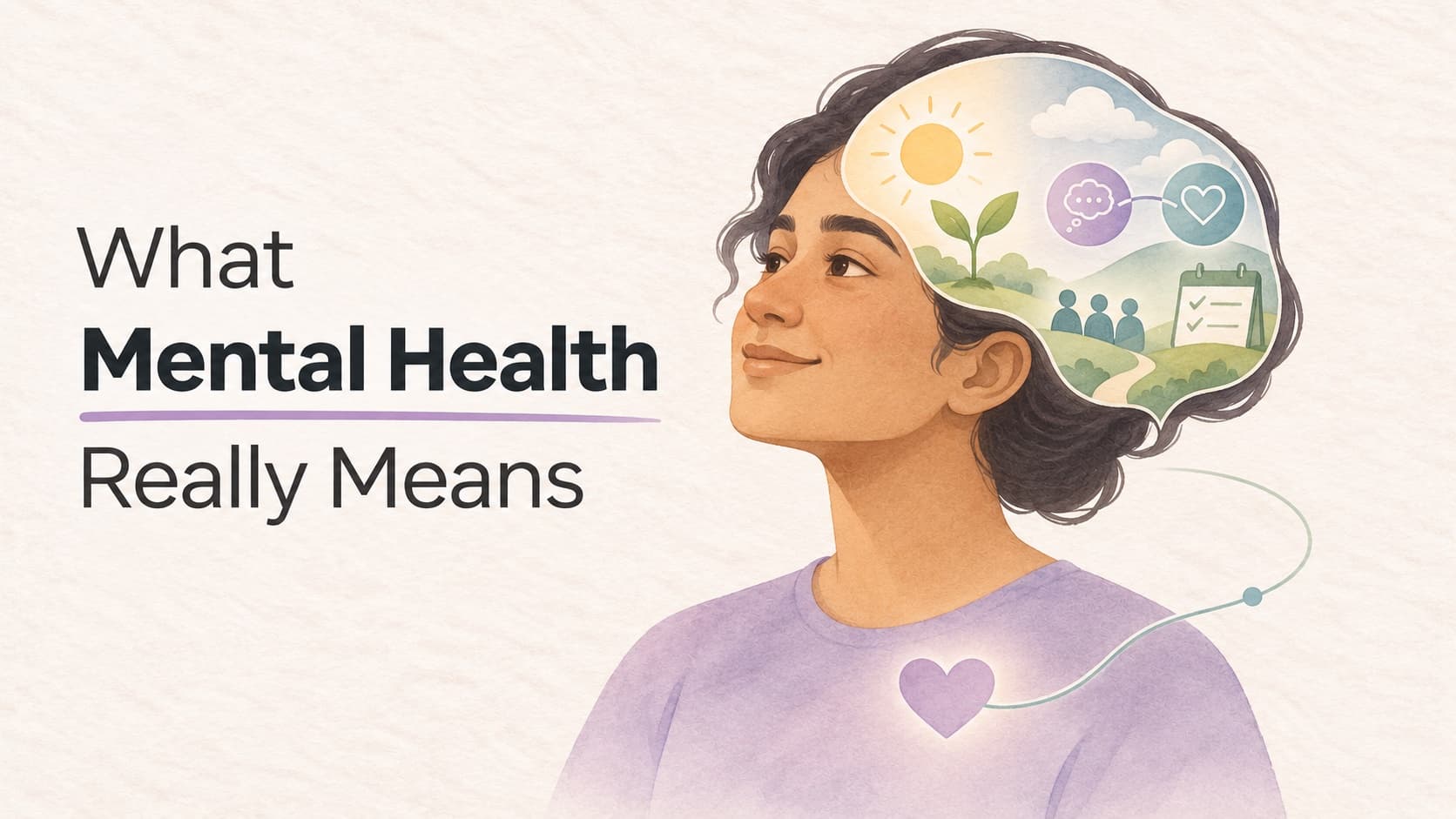
What mental health really means
Mental health shapes how you think, feel, and act each day. It affects how you handle stress, how you relate to other people, and how you make decisions. Being mentally healthy isn't the same as feeling happy all the time. It means you can cope with ordinary pressure and still find moments of enjoyment.
Almost everyone struggles at some point. The World Health Organization reported in 2025 that more than one billion people live with a mental health condition, which shows how common these challenges are. Struggling doesn't mean you're weak. It means you're human, and support exists.
How to improve mental health with everyday habits
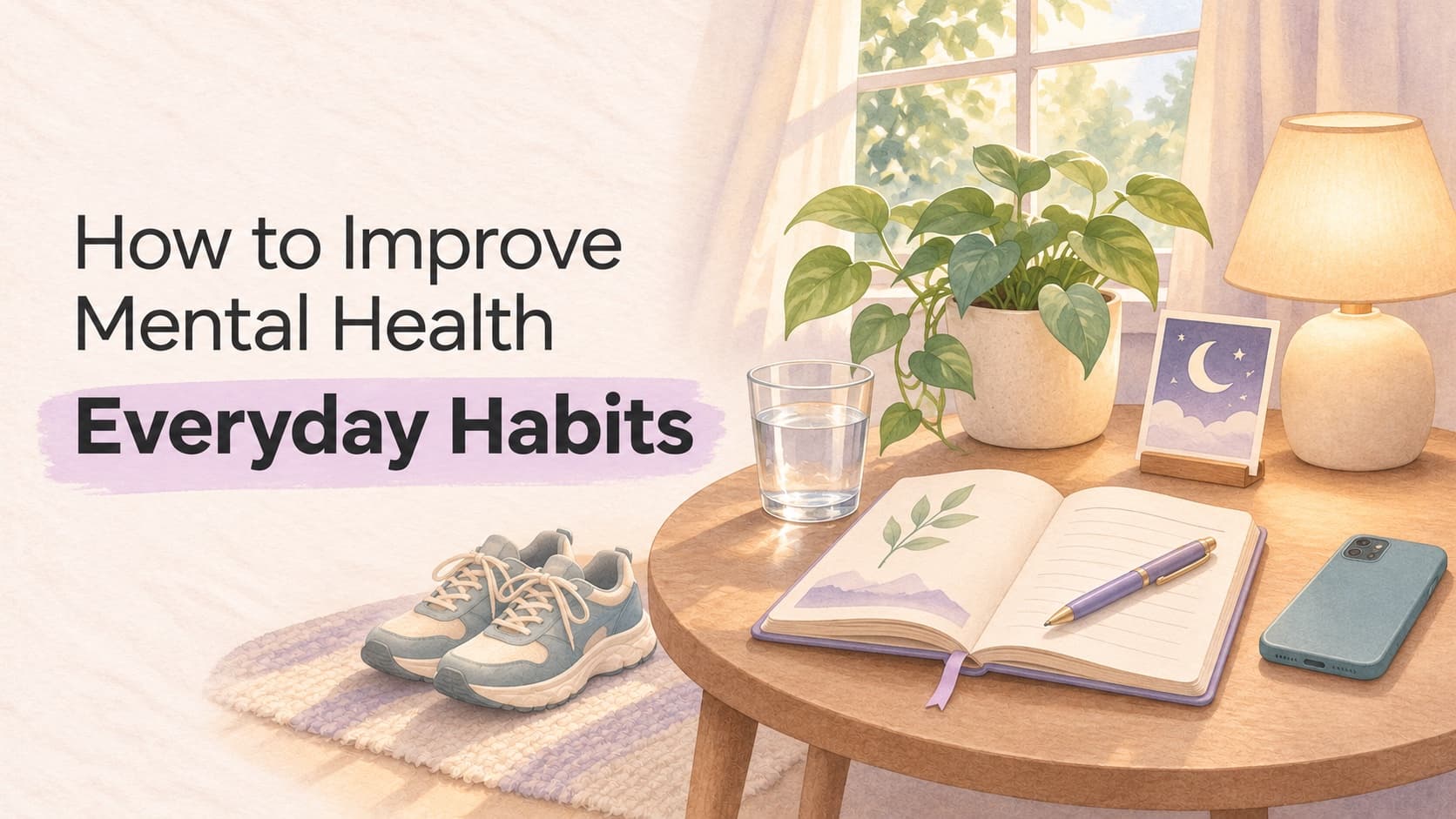
You don't need a dramatic reset. Small, repeatable routines can support wellbeing over time, although they do not work for everyone or replace professional care when it is needed.
Start with one habit rather than five. Once it feels easy, add another. Progress you can sustain beats a perfect plan you abandon after a week.
Protect your sleep
Even a few short nights can affect your mood, patience, memory, and concentration. Most adults need at least seven hours of sleep, while teenagers (13–17 years) need 8–10 hours. Sleep needs vary, especially with age.
Maintain a regular bedtime and wake-up time, and try putting screens away during the last hour before bed if that works for you. If your mind races at night, write down tomorrow's worries before going to bed. Good-quality sleep supports emotional wellbeing, focus, and overall health.
Stay physically active and connect with nature
Regular physical activity can support wellbeing and reduce symptoms of anxiety and depression. You don't need a gym or expensive equipment to stay active. Choose activities you enjoy and make them part of your routine at a pace that works for your body. If you can, spend a little time outdoors in a garden, park, or other comfortable green space.
Some simple ways to stay active include:
- Walking or jogging: Take a brisk 20–30-minute walk or go for a light jog.
- Yoga: Practice yoga to improve flexibility, relax your mind, and reduce stress.
- Cycling: Enjoy a bike ride with friends or explore your surroundings.
- Dancing: Dance to your favourite music to lift your mood and release tension.
- Stretching: Try simple morning or evening stretches to release muscle tension.
- Swimming: Enjoy swimming to improve fitness and relax your body.
- Pilates: Practice Pilates to strengthen your body and improve body awareness.
- Gardening: Spend time planting flowers, watering plants, or caring for a garden.
Eat a balanced and nutritious diet
Food supports physical health and energy, which can affect how you feel day to day. A varied, balanced diet is one part of general wellbeing; food alone cannot prevent or treat a mental health condition. Individual needs differ, and eating habits are shaped by access, culture, health, and personal circumstances. If you have a health condition or questions about nutrition, a qualified clinician can help you find advice that fits your needs.
Simple ways to support regular, varied eating include:
- Eat fruits and vegetables: Include a variety when they are available to you.
- Include protein: Options can include eggs, fish, chicken, beans, lentils, and nuts.
- Choose whole grains: Try oats, whole-wheat bread, or brown rice when they suit your needs.
- Include healthy fats: Add foods such as walnuts, almonds, seeds, or fish if available.
- Avoid skipping meals when you can: Regular meals may help support steadier energy.
- Stay hydrated: Drink enough water throughout the day for your circumstances.
- Limit highly processed foods if useful: Consider reducing sugary drinks, sweets, or heavily processed snacks if they are displacing foods that work better for you.
Build connections that support you
Humans are social creatures. Talking with someone who listens can ease stress and remind you that you're not alone. Face-to-face time can be valuable, though a phone call or message counts too.
If your circle feels small, start small. Message an old friend, join a class or community group, or volunteer for a cause you care about. Helping others can lift your own mood for some people, and it can build new relationships along the way.
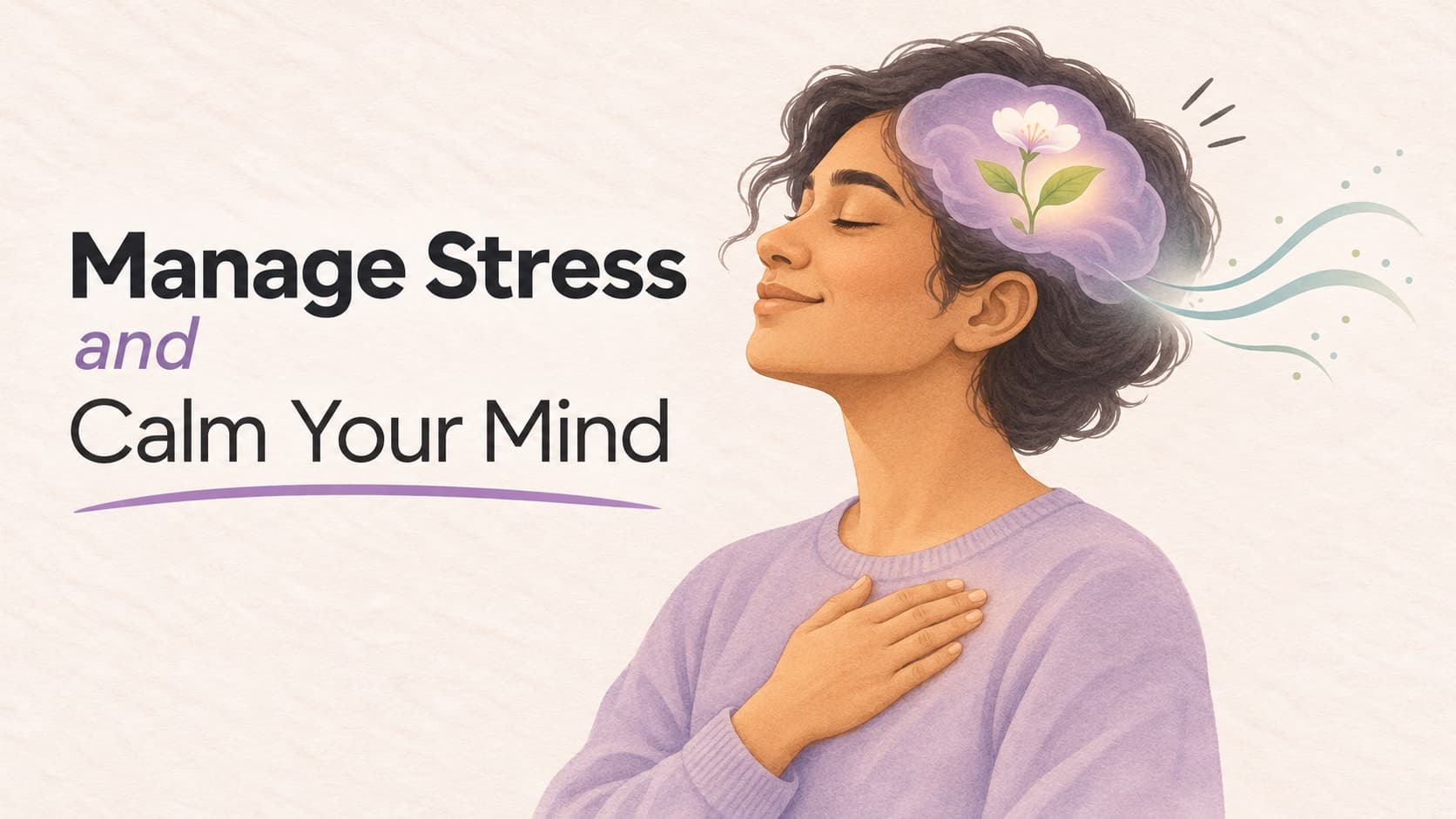
Manage stress and calm your mind
Stress is a natural part of life, and no one can avoid it completely. Everyone experiences stressful situations at some point, whether related to work, studies, relationships, or personal challenges. We cannot always control what happens around us, but we can learn healthier ways to respond to difficult situations.
Simple practices such as comfortable deep breathing, mindfulness, meditation, and gentle stretching may help some people feel calmer when they are overwhelmed. Even five minutes of quiet time can give you a chance to pause and regain focus. Stop a breathing or mindfulness exercise if it makes you feel dizzy or more distressed.
Writing can also be a helpful way to manage stress. Keeping a journal allows you to express your thoughts, organise your worries, and understand your emotions better. You can also try writing down three things you are thankful for. This may help you notice positive aspects of everyday life without asking you to ignore what is difficult.
Here are a few quick habits to try this week. Adapt them to your circumstances, and skip any that do not feel comfortable:
| Habit | How to start | Time needed |
|---|---|---|
| Slow breathing | Breathe in gently for four counts, out for six, and repeat five times. Return to your usual breathing if this feels uncomfortable. | 2 minutes |
| Gratitude note | Write down three things you're thankful for. | 3 minutes |
| Short walk | Walk outside after a meal, if that works for your body and circumstances. | 15–20 minutes |
| Check-in call | Call or message one friend you trust. | 10 minutes |
Cut back on what drains you
Some habits quietly work against you. Too much caffeine, alcohol, and late-night scrolling can leave some people feeling more anxious or less rested. You don't have to quit everything at once. Reduce one thing at a time and notice how you feel.
Boundaries matter too. Saying no to extra commitments can protect your energy, and time away from constant news and social media may quiet your thoughts. Leave room for hobbies that have nothing to do with being productive.
When to ask for professional help
Self-care is powerful, but it has limits. If low mood, anxiety, or hopelessness persists, gets worse, feels overwhelming, or gets in the way of work, relationships, or daily tasks, consider reaching out. You do not need to wait until it has lasted for weeks. A therapist, counselor, or doctor can offer tools and treatment that habits alone can't. Even the best advice on how to improve mental health can't replace proper care when you need it. You can browse practitioners on psychiatrai to explore available care.
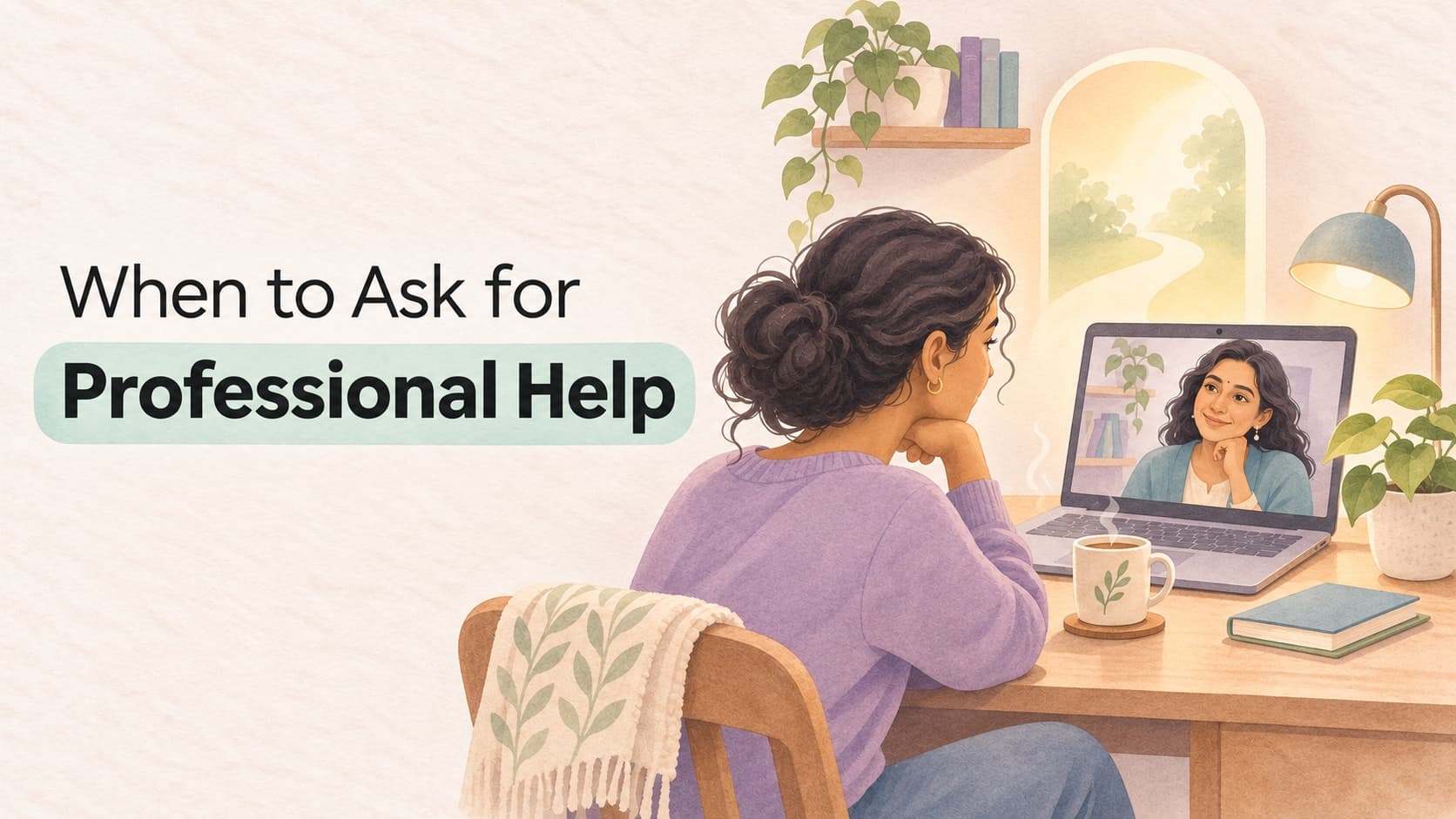
If you feel unsafe or think about harming yourself, tell someone you trust who can stay with you and contact local emergency services or a trusted crisis service right away.
Start with one manageable step
Learning how to improve mental health doesn't require big changes. Sleep, movement, nourishing food, supportive people, and a few minutes of calm each day can all support wellbeing. Start with one habit this week and give it time.
Be patient with yourself on hard days. If your efforts aren't enough, reaching out to a professional is a smart next step. Your mind deserves the same care you give your body.
Frequently asked questions
What is the fastest way to improve mental health?
There's no instant fix, but slow breathing, a short walk, and talking with someone you trust may ease stress in the moment. Lasting change comes from repeating small habits and getting support when you need it.
Can exercise help with anxiety or low mood?
Yes. Regular physical activity can improve overall wellbeing and reduce symptoms of anxiety and depression for some people. It can support care, but it does not replace professional support when you need it.
How long does it take to feel better?
Some people feel a difference quickly, while others need more time. Consistency matters more than speed. If things are not improving or feel harder to manage, consider reaching out for professional support.
Does diet affect mental health?
Food affects energy and mood for many people. Regular meals with a variety of foods may support steadier days, but diet is not a substitute for treatment. A qualified clinician can help with personal nutrition questions.
When should I see a professional?
Consider getting support if distress persists, feels overwhelming, or interferes with everyday life. If you feel unsafe or may harm yourself, seek urgent help from local emergency services or a trusted crisis service.
Sources
External sources used to review the health information in this article.
- World Health Organization. Mental health. View source
- World Health Organization. Over a billion people living with mental health conditions – services require urgent scale-up. View source
- Centers for Disease Control and Prevention. About Sleep. View source
- World Health Organization. Physical activity. View source
- National Institute of Mental Health. Caring for Your Mental Health. View source
- National Institute of Mental Health. My Mental Health: Do I Need Help? View source
- National Institute of Mental Health. I'm So Stressed Out! Fact Sheet. View source
Related articles
Understanding Mental Health: Signs, Self-Care & Support
Learn what mental health means, which changes may deserve attention, practical ways to support your wellbeing, and when professional help may be useful.
By Ayesha Sohail
Anxiety and Stress Management: Practical Ways to Feel Calmer Every Day
Learn how stress and anxiety can differ, how to notice common signs, and practical calming techniques and daily habits that may help you cope.
By Ayesha Sohail
Overthinking and How to Control It
Learn why thoughts can get stuck in loops and try practical, evidence-informed ways to respond to overthinking with more calm and clarity.
By Ayesha Sohail
Feel supported. Start today.
psychiatrai brings guided self-help programs, mental health assessments, and licensed practitioners together in one place, so you can start wherever feels right for you.
Get Started with psychiatrai p
